ER Surgeon's Confession: "I've Watched Gum Recession Kill More People Over 50 Than Most Dentists Will Ever Admit — And It Starts Exactly Like Yours… Yet This One Simple Daily Ritual Can Reverse the Recession and Stop the Infection Before It Ever Reaches Your Throat"

I Was the Last Stop, Not the First
I am not the dentist who cleans your teeth twice a year.
I am the surgeon they send you to when it has already gone wrong.
For fourteen years I worked the emergency end of oral and maxillofacial surgery. Mostly nights, mostly weekends.
By my own case logs, I drained over 3,000 dental and periodontal abscesses.
I never saw the easy cases. I only saw the ones that ended up in an emergency room at 2am with a swollen face, a fever, and a tooth that could not be saved.
After enough of those nights, you start to see a pattern that nobody in my field likes to say out loud.
9 out of 10 of the people I drained were over 50. And nearly every one of them started with a symptom they had been told was harmless.
First, Understand What I Was Pulling Them In For
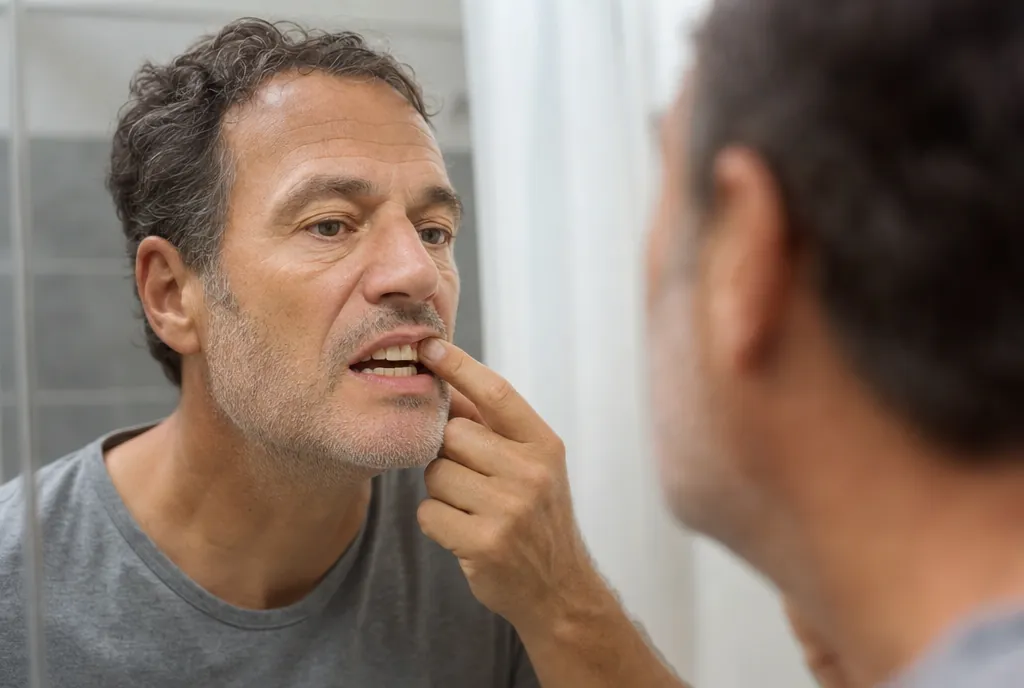
Most people have no idea what a gum abscess actually is until they are staring at one in the mirror at 11pm.
So let me explain it plainly, because it is the entire reason I am writing this.
An abscess is a sealed pocket of pus. Bacteria get trapped deep under the gum, your body walls them off to contain them, and that sealed pocket fills with infection under pressure.
It does not drain on its own. It does not clear with a rinse. It only builds.
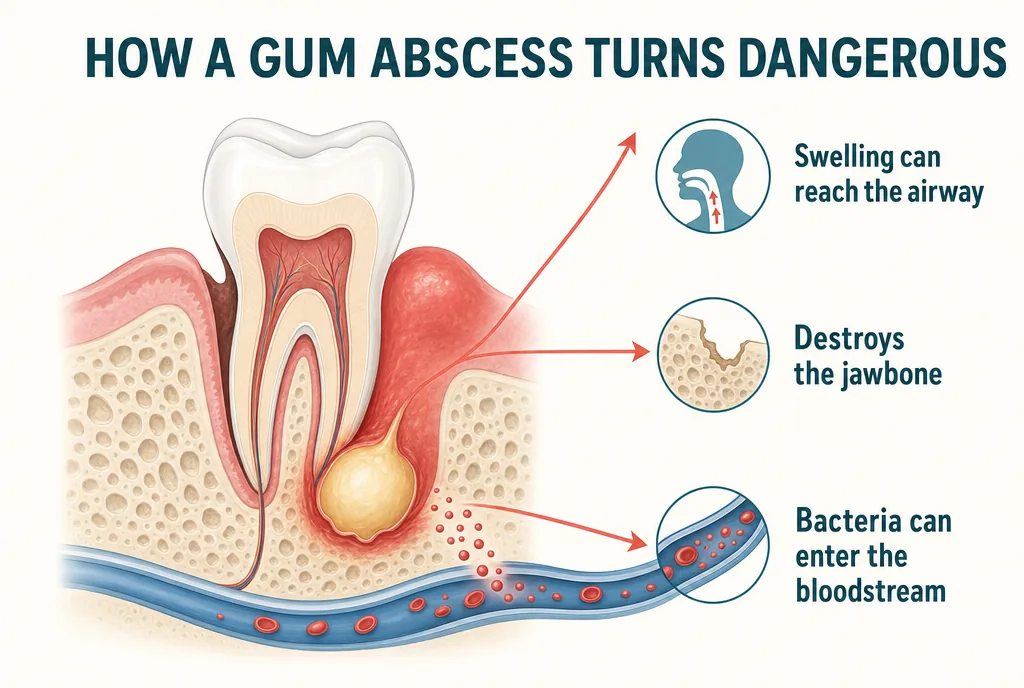
Here is the part nobody warns you about. A tooth is not sealed off from the rest of your body.
The roots sit millimeters from the open spaces of your face and neck, and those spaces connect, one into the next, all the way down toward your airway and your chest.
So when the infection has nowhere to drain, it takes the path of least resistance. And it travels.
In the mild cases, it eats the bone around the tooth until the tooth falls out.
In the worse cases, the swelling spreads under the jaw and into the floor of the mouth — a condition called Ludwig's angina — and it can close your airway. People have suffocated from a tooth.
In the worst cases, the bacteria spill into the bloodstream. That is sepsis, and it can shut your organs down. I have watched these infections reach the lining of the heart and the tissue around the brain.
I am not telling you this to frighten you for sport. I am telling you because I stood over it, on the worst nights, more times than I will ever forget.
For years the disease is silent. Then one day it is not.
It begins as a tightness on one side of the face. By the afternoon there is a throb in time with the heartbeat.
By the evening there is a swelling you can see in the mirror, hot and shiny, and a foul, metallic taste where the abscess has started to drain itself.
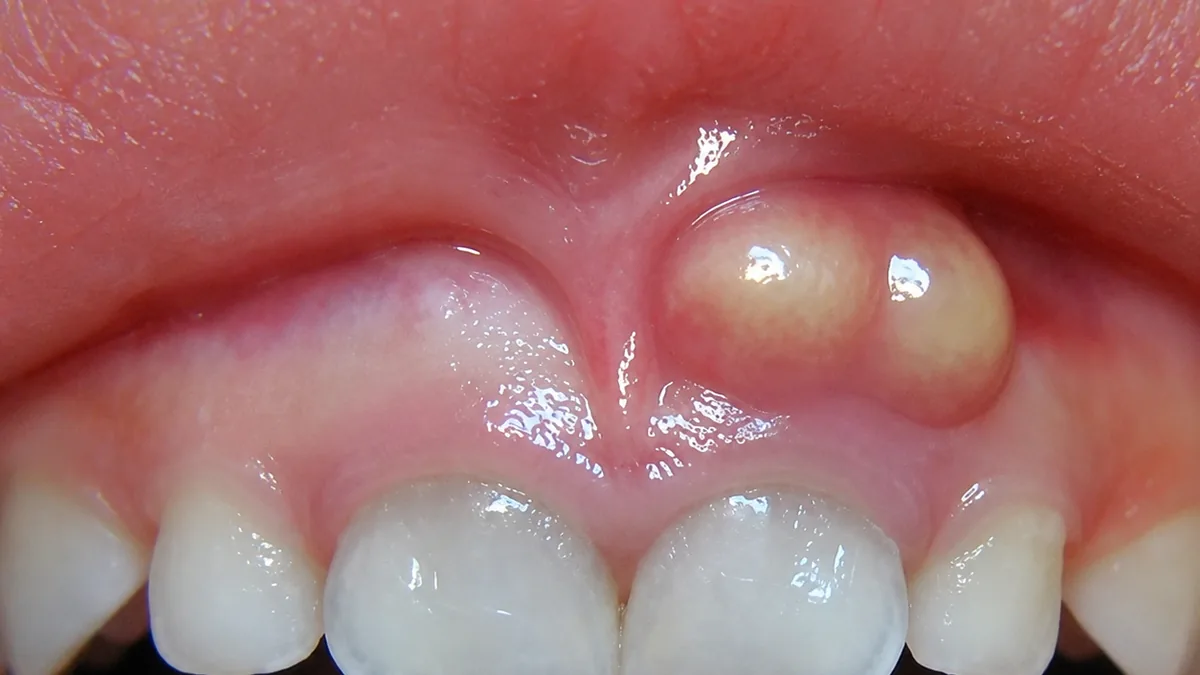
That is usually the night I would meet them.
Not to save the tooth, because by then the bone around it was often already gone. My job was to drain the infection, remove the tooth, and keep the swelling from climbing toward the airway.
And every one of them, sitting there stunned, asked me the same question. "How did this happen to me?"
The answer never started with the tooth. It started months, sometimes years earlier, with something quiet they had watched in the mirror and been told was nothing.
It Almost Always Started the Same Way
When I asked them when the trouble began, the answer was almost always identical.
"My gums had been receding for a while. My dentist told me to keep an eye on it."
That sentence still haunts me. Because receding gums are not a cosmetic problem.
They are the first thing you can actually see of an infection that has already moved below the gumline, into the pockets around your teeth, where you cannot feel it.
By the time the gum pulls back far enough for you to notice it in the mirror, the damage underneath has a head start measured in years, not weeks.
It was never "just a little recession." It was the infection I just described, growing quietly in the one place they could not see — the early, painless first mile of the road that ends on my table.
So no, I do not treat receding gums as cosmetic. I treat them as the warning they are.
And here is the good news, the reason I am still talking. Once you understand what is actually happening below the gumline, you can stop it. Let me show you exactly how.
Here Is What Is Actually Eating Your Jaw
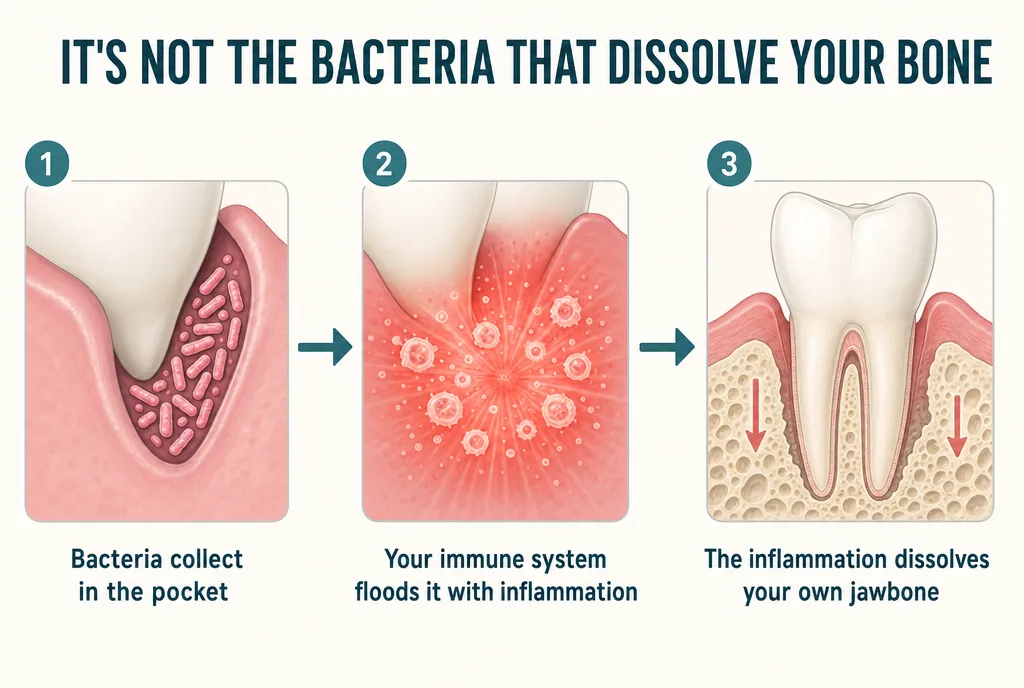
Almost everyone believes the bacteria are dissolving their bone.
They are not. Bacteria cannot do that.
What bacteria do is trigger your immune system.
Your body floods the area with inflammation to fight the infection.
But that inflammation does not stay aimed at the bacteria. It switches on the cells that dissolve your own bone, and aims them at the jaw that holds your teeth in place.
Picture a fire crew blasting a burning house with water. Reasonable, the fire has to go out.
Now picture them never shutting the hose off. Soaking the structure for days after the flames are dead, until the house finally collapses from the water, not the fire.
That is your immune system at the bottom of a deep gum pocket.
The bacteria light the fire. Your own body burns the house down. And nothing your dentist hands you ever tells it to stop.
Why the Scraping Never Holds
When your dentist performs a deep cleaning, they scrape the bacteria off the root surface.
That is all it does. And it works, for a few weeks.
Then two things go wrong.
The bacteria move back into the pocket, because nothing is holding that space once they are evicted.
And the inflammation, the part actually dissolving your bone, was never touched at all.
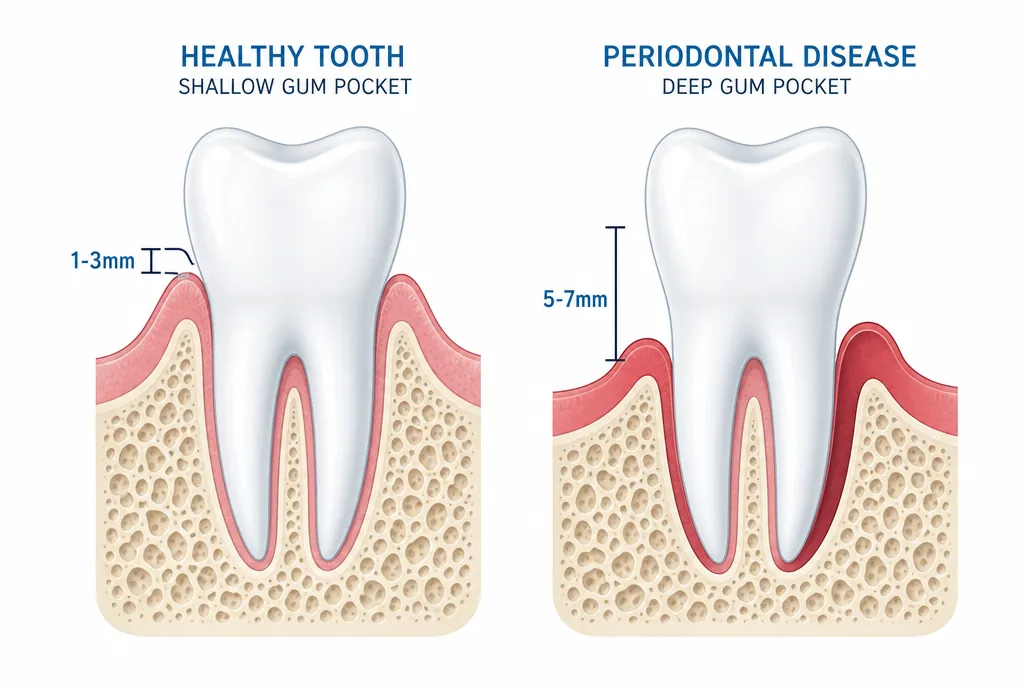
So the pocket gets deeper. A 4 becomes a 5. A 5 becomes a 6.
And a deeper pocket is simply more room for the infection to hide, multiply, and push down toward the root.
That is the beginning of the road that ends on my table.
The Two Things That Actually Stop It
To stop this disease, two things have to reach the bottom of the pocket at the same time.
Good bacteria, to move in and crowd out the harmful ones so they cannot repopulate.
And something to calm the immune overreaction that keeps dissolving bone long after the bacteria are gone.
Here is the problem every dentist runs into.
Your toothbrush reaches about 2mm under the gumline. Your pockets are 5, 6, even 7mm deep.
Floss cannot reach the bottom. Neither can a rinse.
Neither could my own instruments, except for a few minutes once every several months.
But one thing in your body reaches the bottom of every pocket, every single day.
Your saliva.
It flows to the base of every pocket each time you chew and each time you swallow.
It is the only delivery system you have that already goes where the disease actually lives.
So the answer was never to scrub harder from the top.
It is to load your saliva with those two things and let your body carry them all the way down for you. Automatically. Every day.
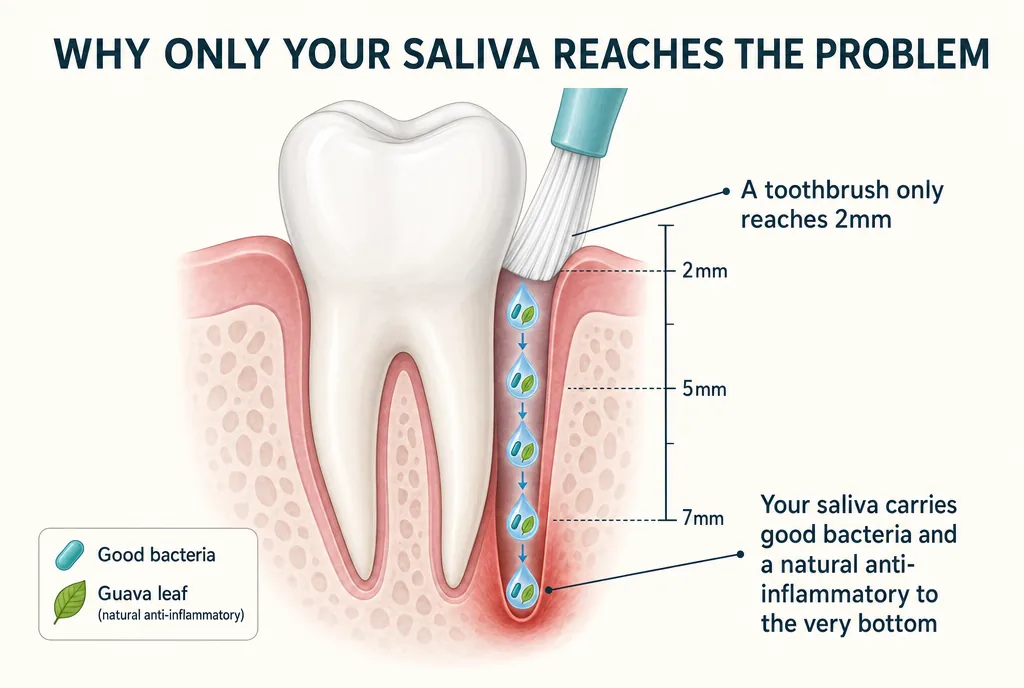
Stop fighting the disease from the top of the pocket. Deliver the fix to the bottom, the way your own body already does.
What I Started Telling My Patients
About a year before I retired, I found the only product I have seen built around exactly this. It is called Sulcara.
It is not a pill you swallow and it is not a rinse you spit out.
It is a chewable you dissolve after a meal, so it mixes into your saliva and rides down into every pocket.
It carries three strains of beneficial bacteria to hold the space the harmful ones keep trying to reclaim, plus a concentrated guava extract that calms the inflammation dissolving your bone.
The chewing floods your mouth with saliva, and your saliva does the delivery.
It costs about $0.88 a day.
A fraction of a single deep cleaning, and a rounding error next to the surgery I used to perform.
I will say this as plainly as I know how. The people I drained at 2am were not unlucky. They were uninformed.
They let a receding gumline slide because someone told them it was cosmetic. You know better now.
Manage your recession every single day, and you quietly close the one road that ends on my table. You never become the abscess.
- Buy 2, Get 1 Free: a full 90-day protocol for $79
- $0.88 a day, versus roughly $1,200 for a deep cleaning or $8,500 for surgery
- 90-day money-back guarantee, and fewer than 1 in 100 people ever ask for it
- Made in the USA in a GMP-certified, FDA-registered facility
- No subscription unless you choose one
See if Sulcara is still in stock and claim the Buy 2 Get 1 Free protocol here →
"My dentist had me on the 3-month cleaning rotation for years and my pockets only got deeper. Eight weeks after I started chewing these, my hygienist asked what I had changed. My 6mm pockets read 4. I almost cried in the chair."

— Diane R., Verified Purchase
"I was scheduled for gum surgery in the spring and started these as a last resort. At my next checkup the bleeding was gone and the surgery got called off. I am 58 and I have not felt this good about my mouth in a decade."

— Robert K., Verified Purchase
"I was skeptical, because I had wasted money on swallowed probiotics that did nothing. The difference here is you chew it and it actually coats your gums. Three months in, no more blood on the floss, and my breath is better too."

— Linda M., Verified Purchase
Live cultures are made in small batches. When this run sells out, the next one takes weeks to grow.